Top 8 Vulnerability Management Tools
Explore the best VRM software to streamline due diligence, monitor vendors in real time, and support compliance, reporting, and business continuity.
Published on October 22, 2025
Last updated on January 07, 2026
Business process management systems (BPMS) have become critical for organisations aiming to streamline workflows, improve efficiency, and enhance visibility across operations. By automating repetitive tasks, improving collaboration, and providing real-time analytics, BPMS helps align business processes with strategic goals. As businesses continue to embrace digital transformation, the role of BPMS has shifted from a support tool to an essential driver of operational resilience and agility.
In this article, we examine what business process management software is, key features you should look for, and the best BPMS platforms available in 2026 to help you make an informed decision about your organisation’s next step toward process excellence.
A business process management system (BPMS) is a software platform that helps organisations design, model, execute, monitor, and optimise their business processes. It enables automation of workflows and provides visibility into how different functions operate, ensuring that activities are performed efficiently and consistently across teams and departments.
BPMS tools also facilitate continuous improvement by identifying bottlenecks, redundancies, or inefficiencies within existing processes. This visibility enables leaders to make data-driven decisions that reduce operational risk and improve overall business performance. Many BPMS solutions today also integrate with other enterprise systems such as ERP, CRM, and document management tools, providing a single platform for end-to-end process management.
When selecting a BPMS, you should focus on capabilities that support automation, integration, and analysis. These features enable better visibility, improved decision-making, and faster time-to-value across your organisation.
BPMS should allow users to visually map out workflows, define process steps, and simulate outcomes. This ensures that every stakeholder understands how processes function before automation begins.
Automation tools reduce manual intervention, streamline approvals, and eliminate repetitive tasks. This increases efficiency while reducing the risk of human error.
Your BPMS must integrate seamlessly with existing systems such as ERP, CRM, HR, and ITSM platforms to provide unified process data and enable smoother operations.
Real-time dashboards and analytics help track process performance, identify inefficiencies, and enable data-driven improvements over time.
Modern BPMS should empower non-technical users to create, modify, and deploy workflows quickly through intuitive drag-and-drop interfaces.
Collaboration capabilities, such as shared workspaces and role-based access, help teams coordinate actions and maintain accountability.
Robust compliance features record every step in a process, offering transparency and auditability — particularly valuable in regulated industries.
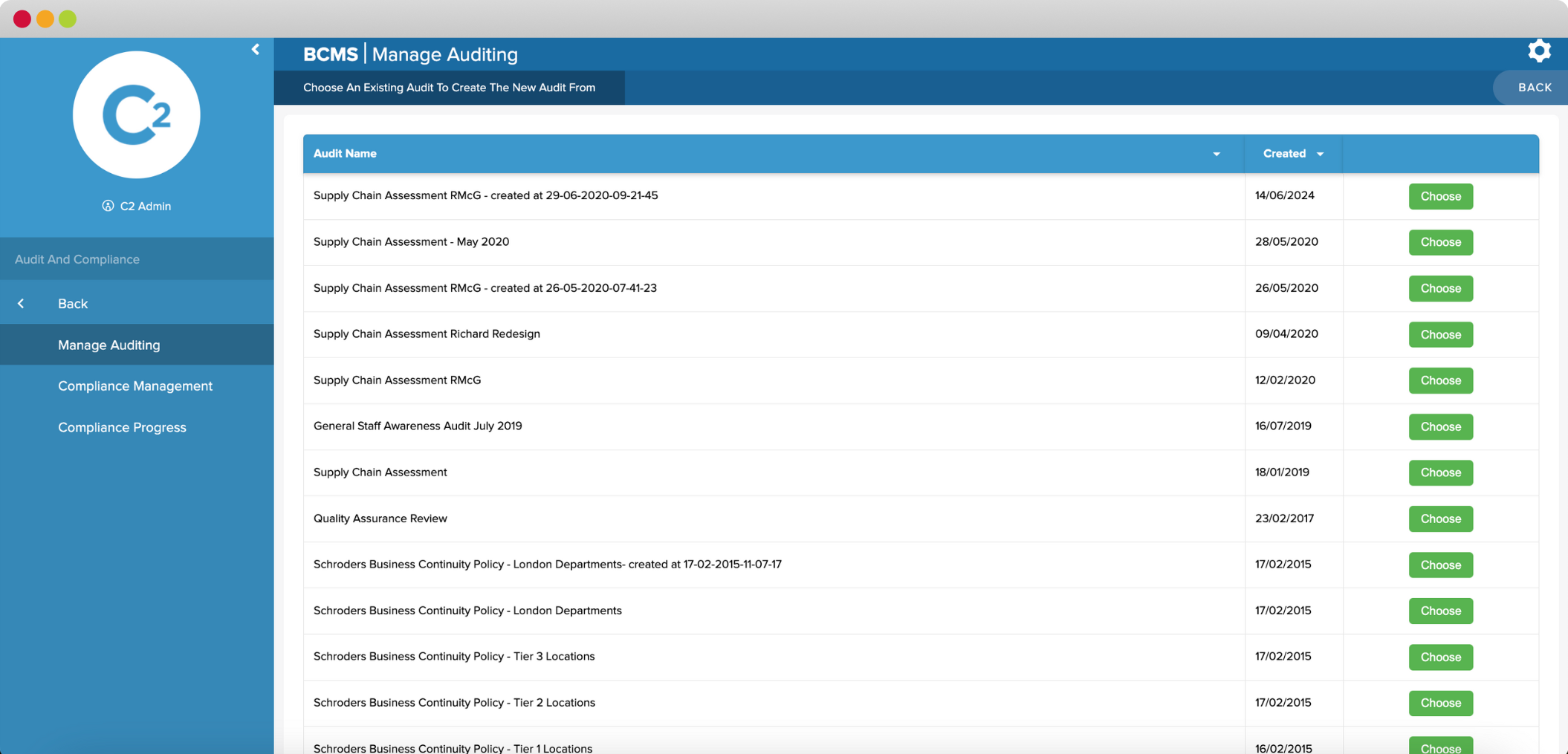
Continuity2 offers an industry-leading BPMS designed to help organisations automate, optimise, and continuously improve their processes with a strong focus on operational resilience and governance. Built to integrate with other critical enterprise systems, Continuity2’s platform supports process modelling, workflow automation, and detailed reporting — all within a single intuitive interface.
Key Features:
Best for: Enterprises seeking a unified platform for process automation, risk management, and business continuity.
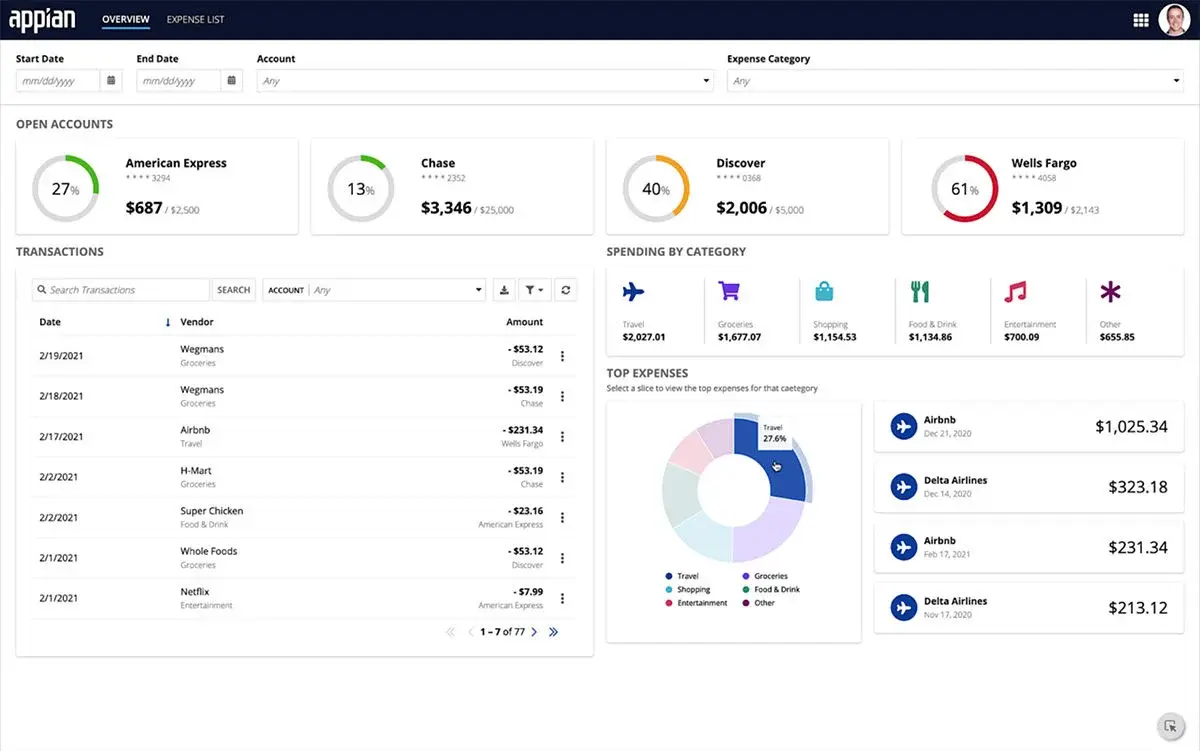
Appian is one of the most widely used low-code BPMS platforms, combining automation, data integration, and AI to accelerate digital transformation. It enables users to design, execute, and monitor complex processes while maintaining compliance and scalability.
Key Features:
Best for: Large organisations pursuing agile digital transformation initiatives.
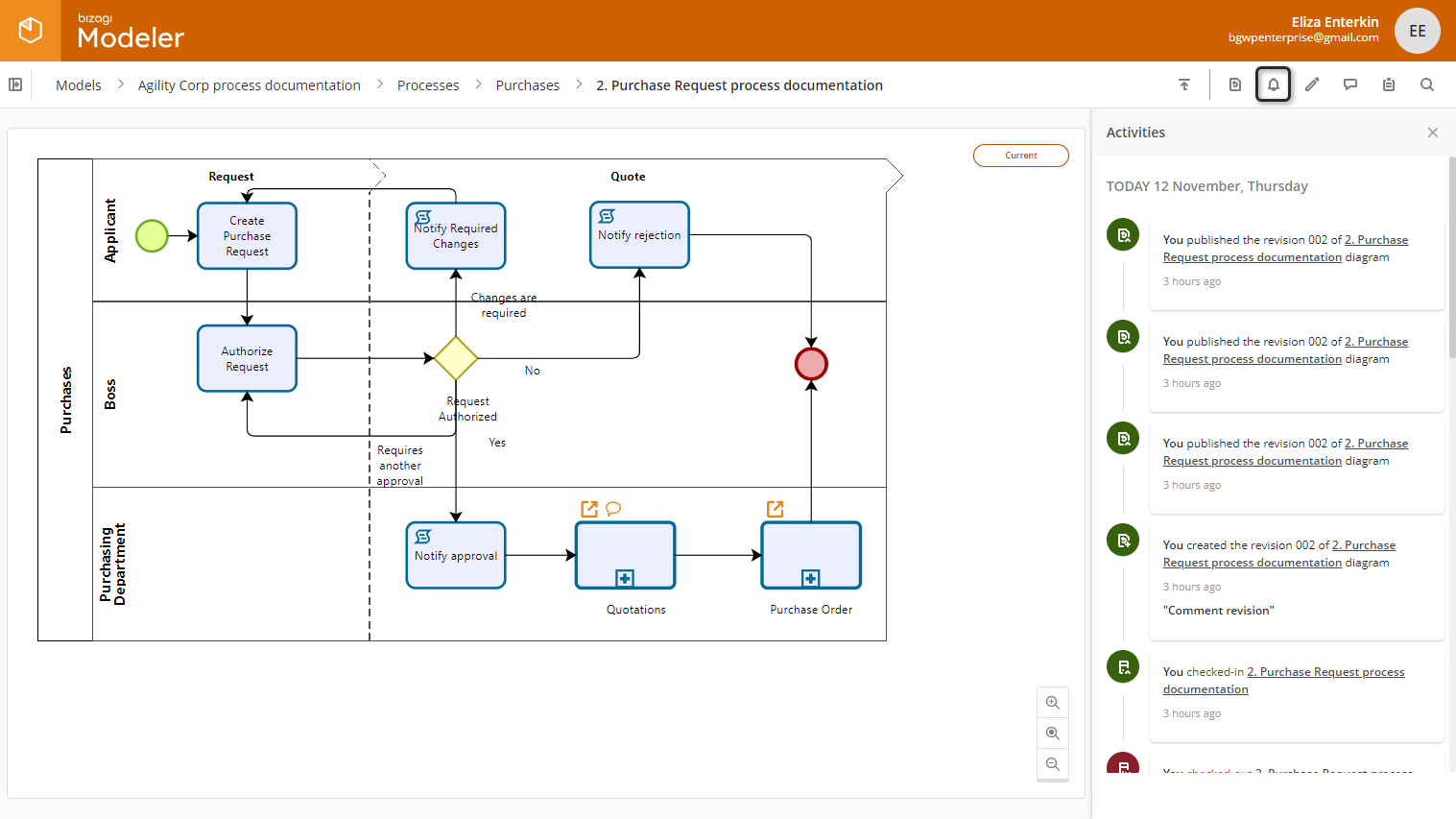
Bizagi offers a flexible and user-friendly BPMS designed for process automation and digital transformation. Its strong visual process modeller and integration features make it suitable for enterprises that need to improve process visibility and collaboration.
Key Features:
Best for: Organisations prioritising visual process design and team collaboration.
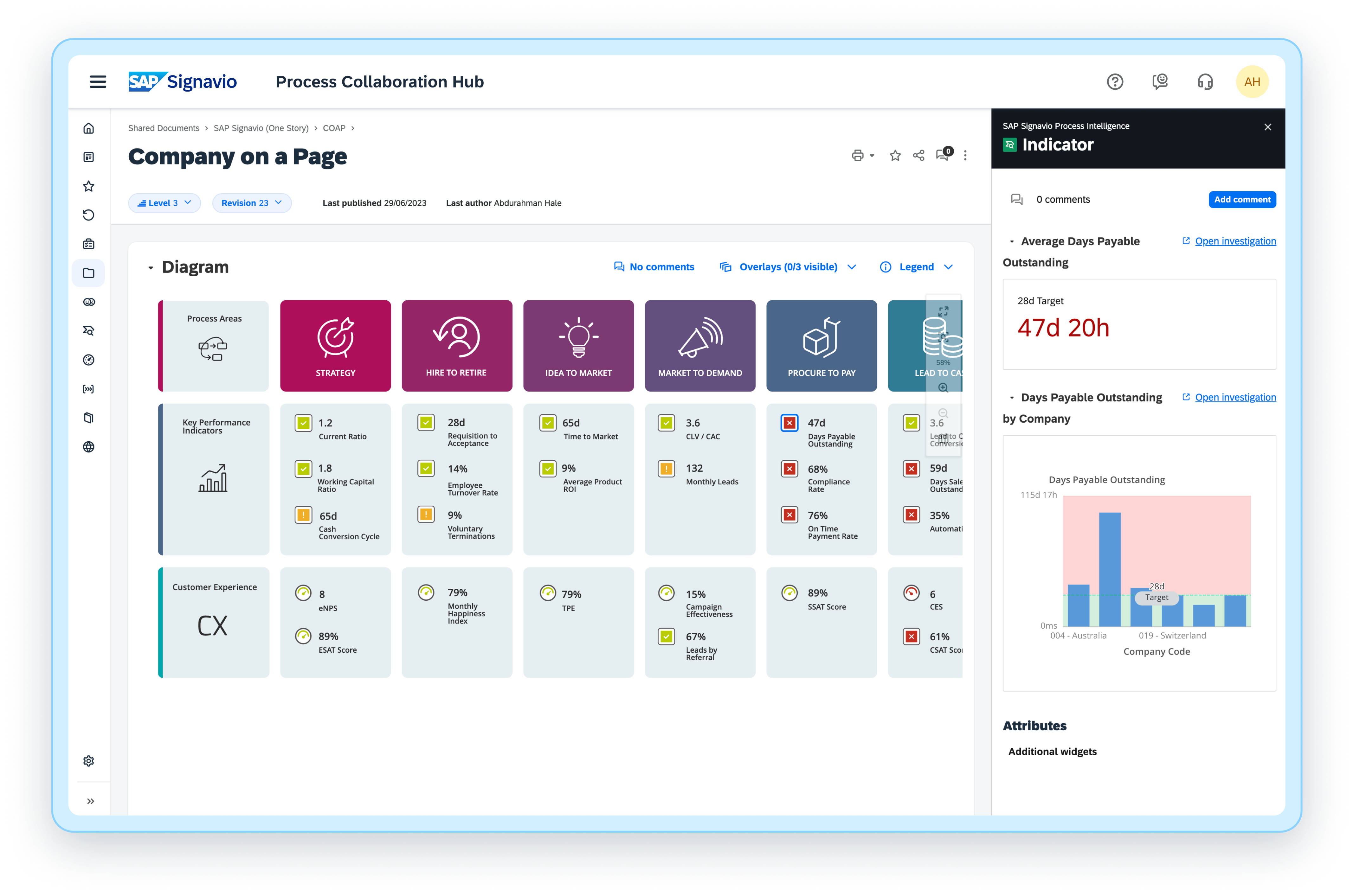
Signavio, now part of SAP, combines process intelligence with automation to help enterprises optimise operations end-to-end. It excels in analytics-driven process improvement and is deeply integrated into the SAP ecosystem.
Key Features:
Best for: SAP-centric enterprises seeking insight-led process transformation.
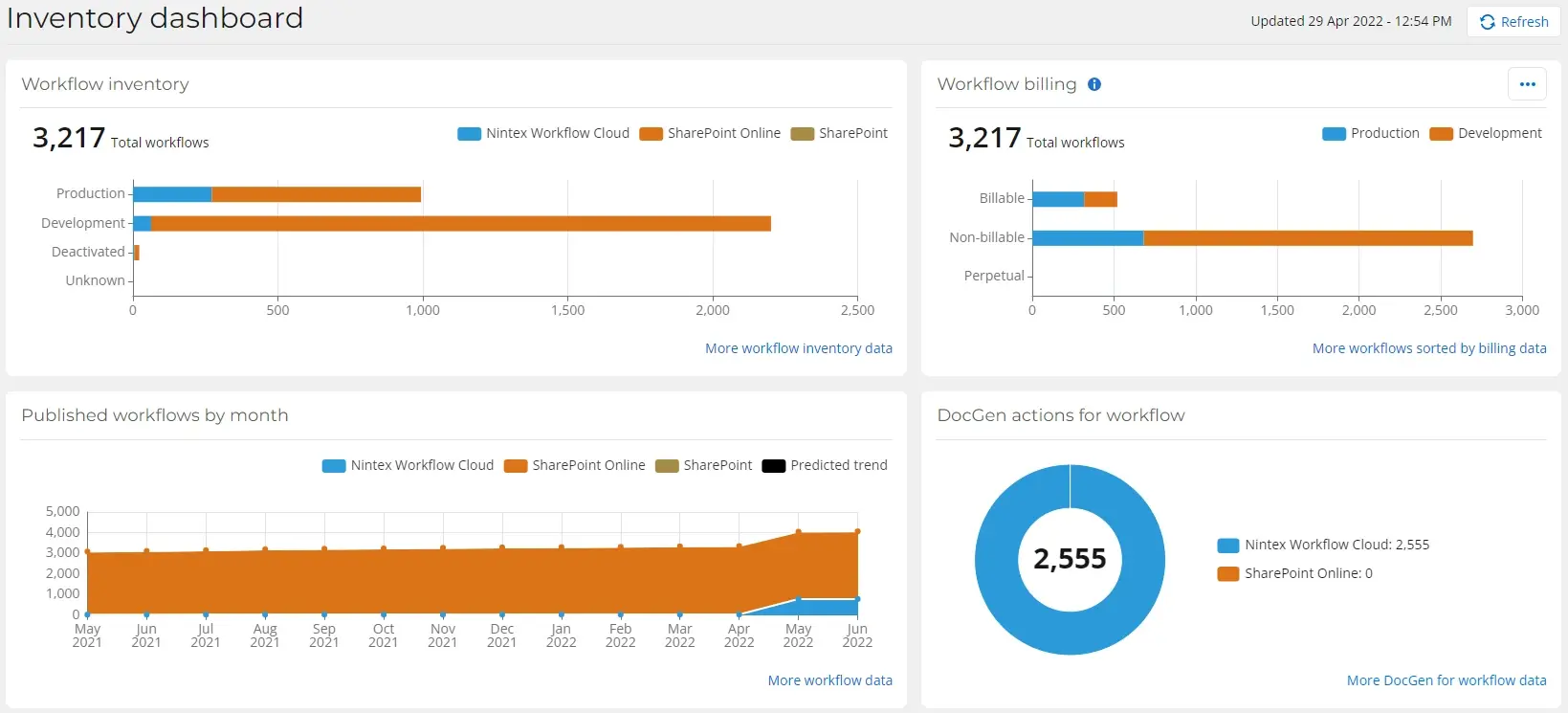
Nintex delivers a robust automation platform with tools for process mapping, workflow automation, and document generation. Its low-code environment allows for quick deployment and easy integration across industries.
Key Features:
Best for: Mid-to-large businesses seeking fast workflow automation with minimal coding.
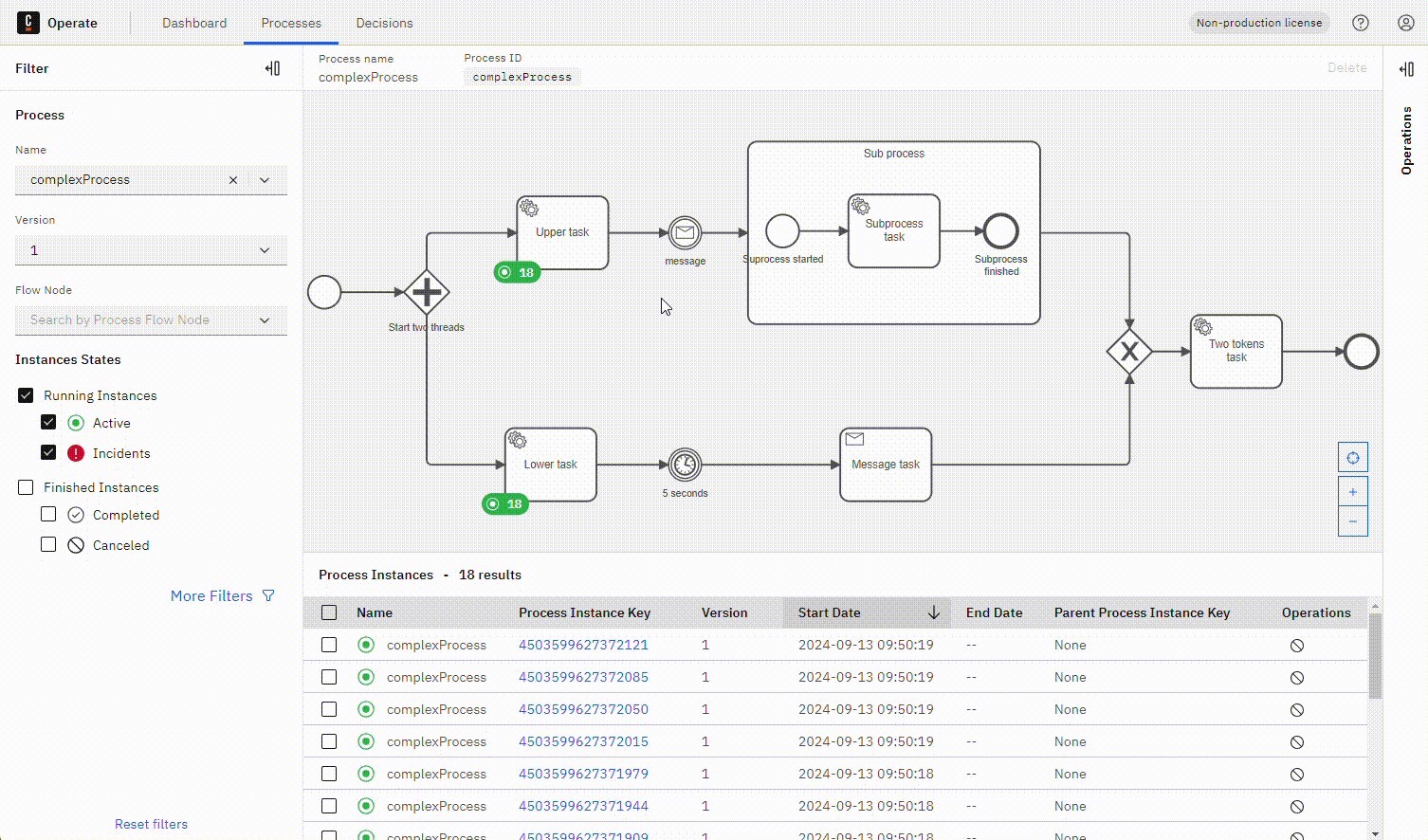
Camunda is an open-source BPMS popular for its flexibility and developer-oriented environment. It supports complex workflows, event-based processes, and integration with microservices architectures.
Key Features:
Best for: Developers and IT teams requiring full customisation and scalability.
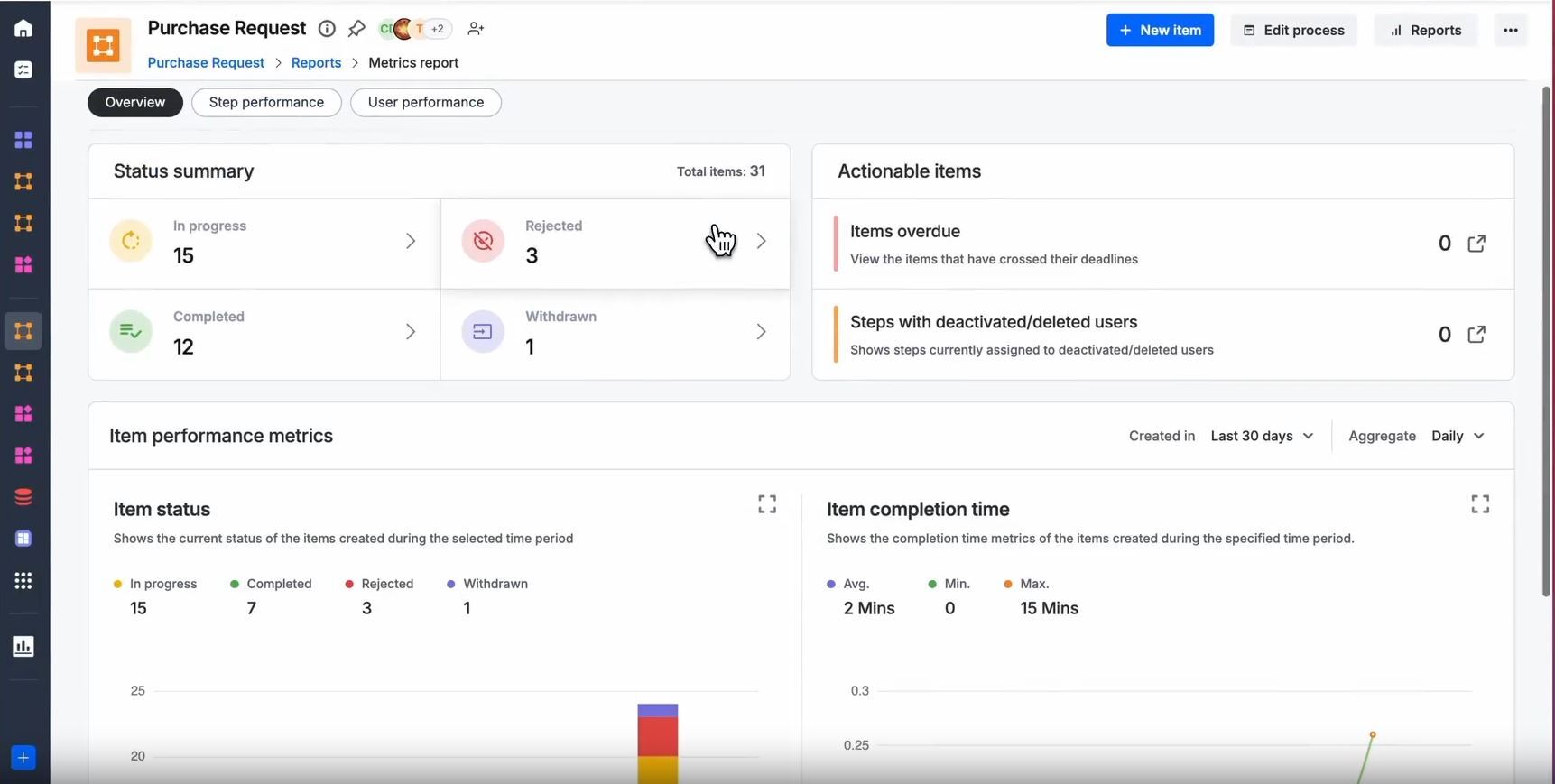
Kissflow is a no-code platform aimed at simplifying process automation for business users. It supports workflow management, case management, and project tracking through a unified interface.
Key Features:
Best for: Small to medium enterprises seeking an accessible, no-code BPMS.
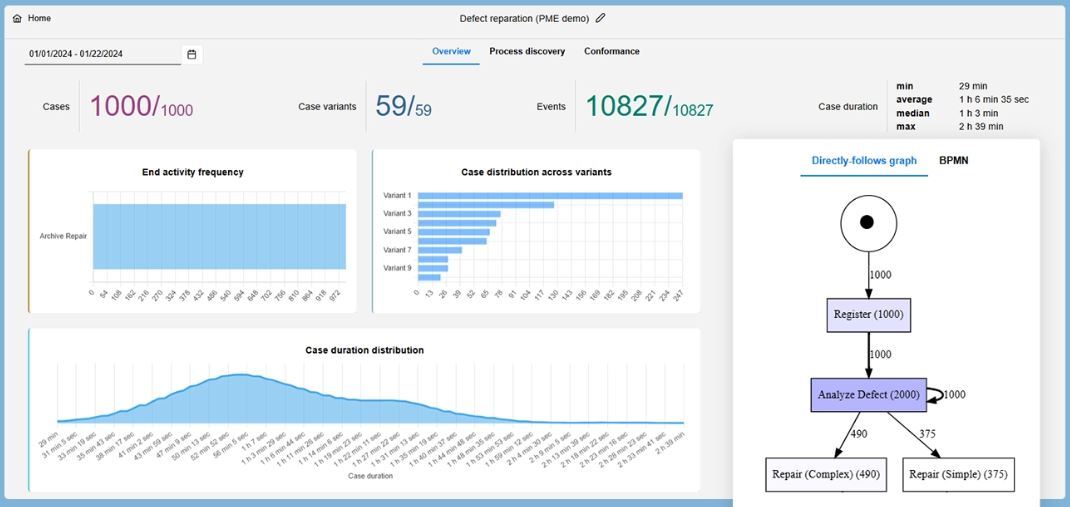
ADONIS, developed by BOC Group, is a professional BPMS that focuses on business process analysis, modelling, and optimisation. It supports structured documentation and continuous improvement initiatives.
Key Features:
Best for: Enterprises prioritising compliance and structured process management.
Implementing a BPMS offers a range of benefits that streamline operations, enhance visibility, and support continuous improvement across the organisation.
BPMS eliminates manual bottlenecks and reduces turnaround times, enabling faster delivery of services and improved productivity across departments.
Centralised process visibility ensures that teams can track workflows, assign responsibilities, and maintain accountability at every stage.
A modern BPMS supports scalable process frameworks, making it easier to adapt workflows as business demands evolve or regulations change.
Data-driven dashboards and analytics support continuous monitoring and informed decision-making based on real-time process performance.
Built-in controls, audit trails, and version management help organisations comply with standards while mitigating operational risks.
Implementing a BPMS is more than a technological upgrade; it’s a step towards stronger operational resilience and governance. By integrating process management with risk, continuity, and performance monitoring, organisations can drive efficiency and resilience simultaneously.
Continuity2’s platform bridges these functions seamlessly, ensuring that every process is not only optimised but also compliant and resilient against disruption.
Book a Demo with Continuity2 to see how our software can enhance process efficiency, strengthen resilience, and support smarter continuity management across your organisation.
Founder & CEO at Continuity2
With over 30 years of experience as a Business Continuity and Resilience Practitioner, Richard knows the discipline like the back of his hand, and even helped standardise BS25999 and ISO 22301. Richard also specialises in the lean implementation of Business Continuity, IT Service Continuity and Security Management Systems for over 70 organisations worldwide.

Founder & CEO at Continuity2
With over 30 years of experience as a Business Continuity and Resilience Practitioner, Richard knows the discipline like the back of his hand, and even helped standardise BS25999 and ISO 22301. Richard also specialises in the lean implementation of Business Continuity, IT Service Continuity and Security Management Systems for over 70 organisations worldwide.
Explore the best VRM software to streamline due diligence, monitor vendors in real time, and support compliance, reporting, and business continuity.
Explore the best VRM software to streamline due diligence, monitor vendors in real time, and support compliance, reporting, and business continuity.
Discover the top 10 Threat Intelligence Platforms of 2026 to detect, analyse, and respond to cyber threats with greater speed and precision.
Explore the best third-party risk management software to automate vendor assessments, track compliance, and reduce exposure across your supply base.
Discover the top 7 Supply Chain Risk Management (SCRM) tools of 2026 to monitor suppliers, predict disruptions, and build supply chain resilience.
Find the best supply chain management software of 2026 and gain real-time visibility, streamline planning and logistics, and protect business continuity.
Compare the top supplier monitoring tools of 2026 and find the right software to enhance supplier visibility and protect your supply chain.
Find the best SIEM tools to detect threats faster, automate incident response, ensure compliance, and strengthen your organisation’s cyber resilience.
Choose the right risk analysis software to automate assessments, gain real-time insights, meet compliance, and strengthen resilience—see our top 7.